Tea Tasting Exploration & Tea Art Workshop
Event Dates: 17 September 2025&20 October 2025
Event Location: The Education University of Hong Kong (Tai Po Campus)
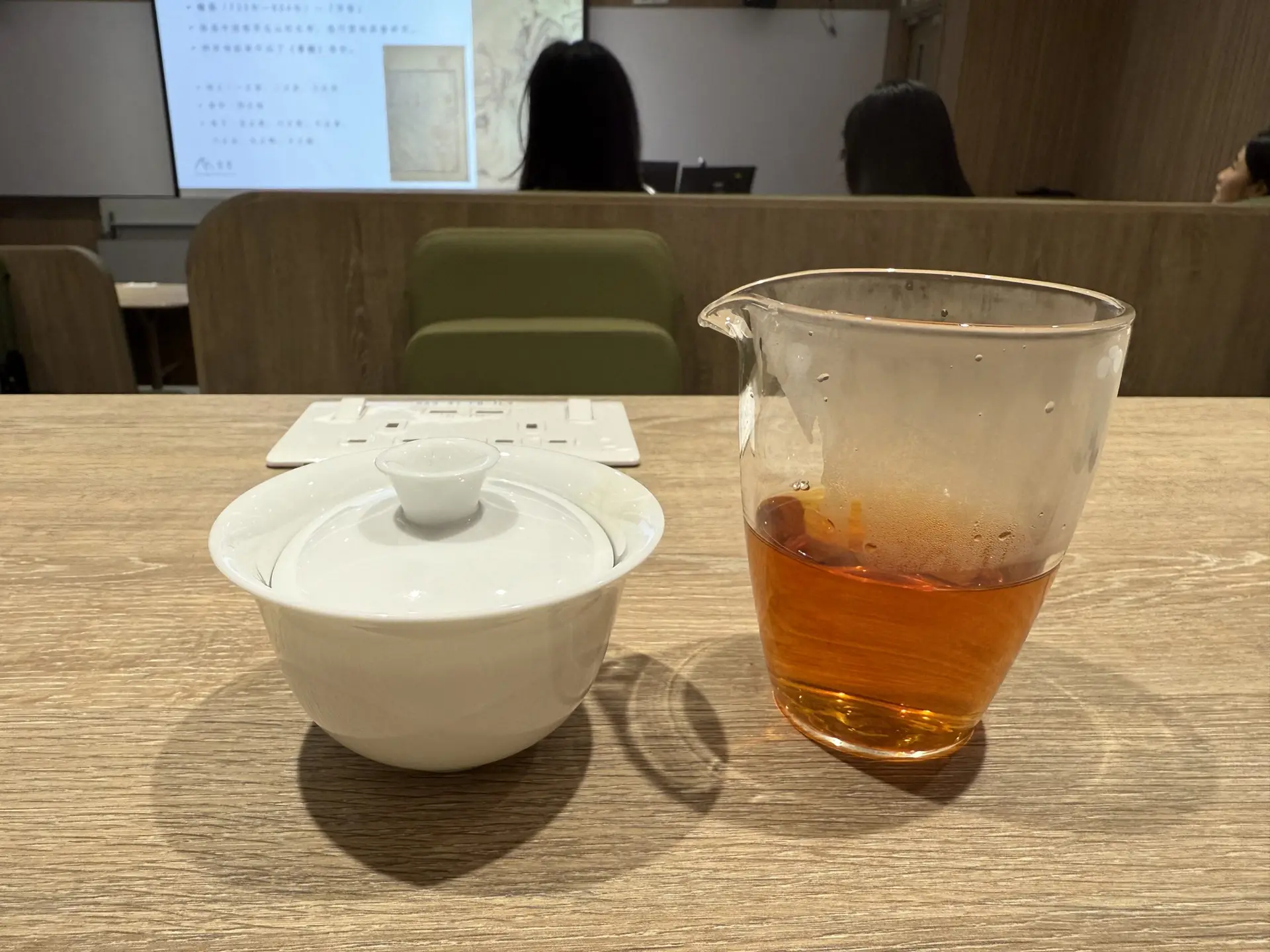
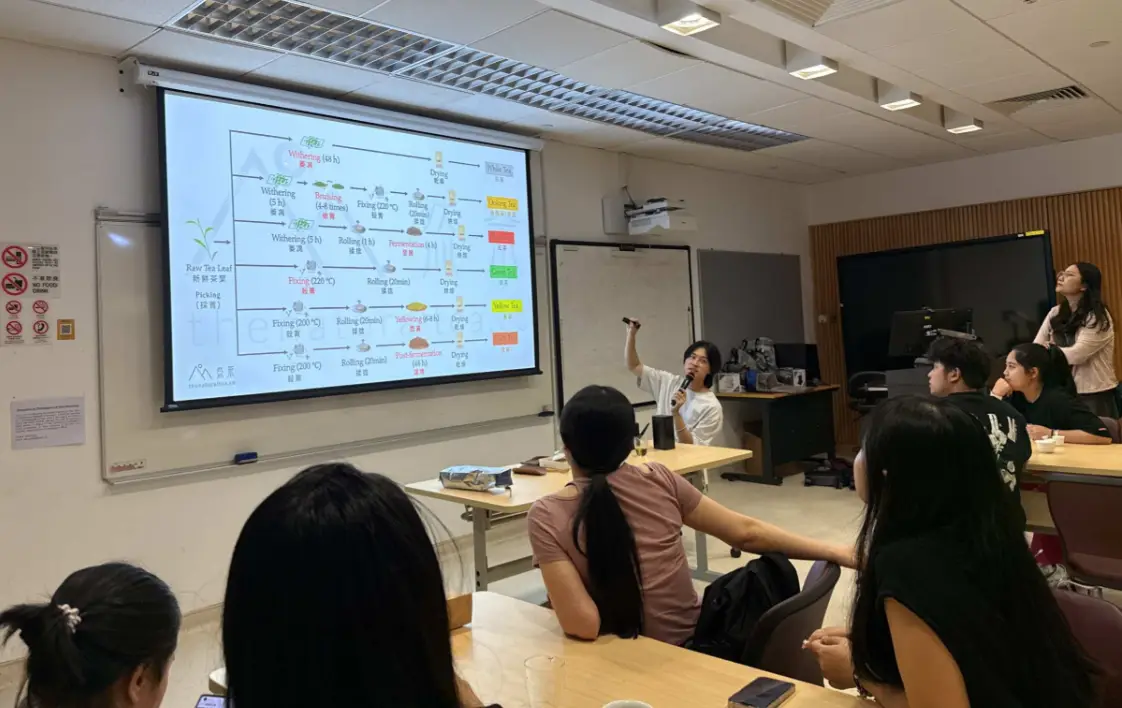
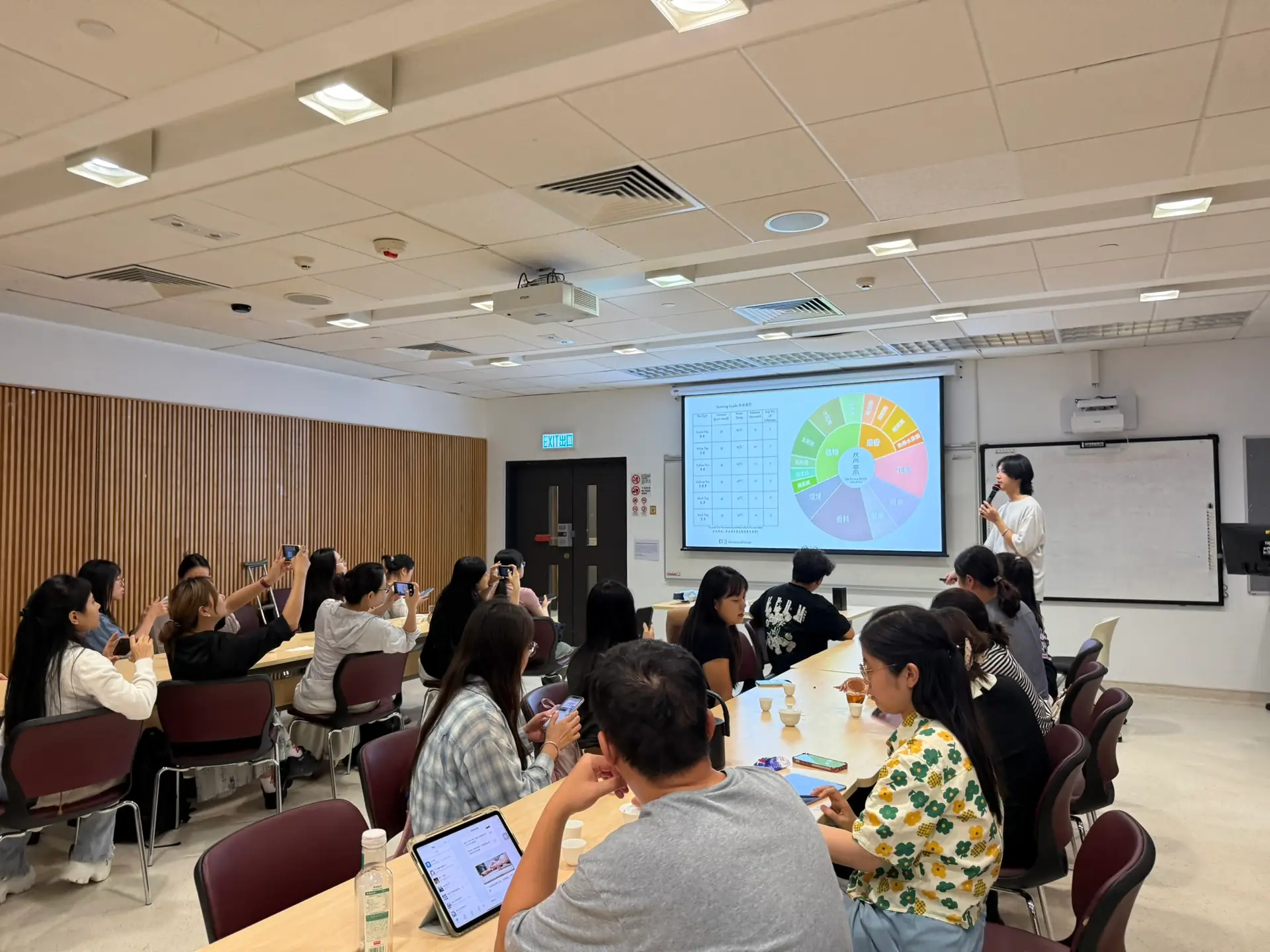
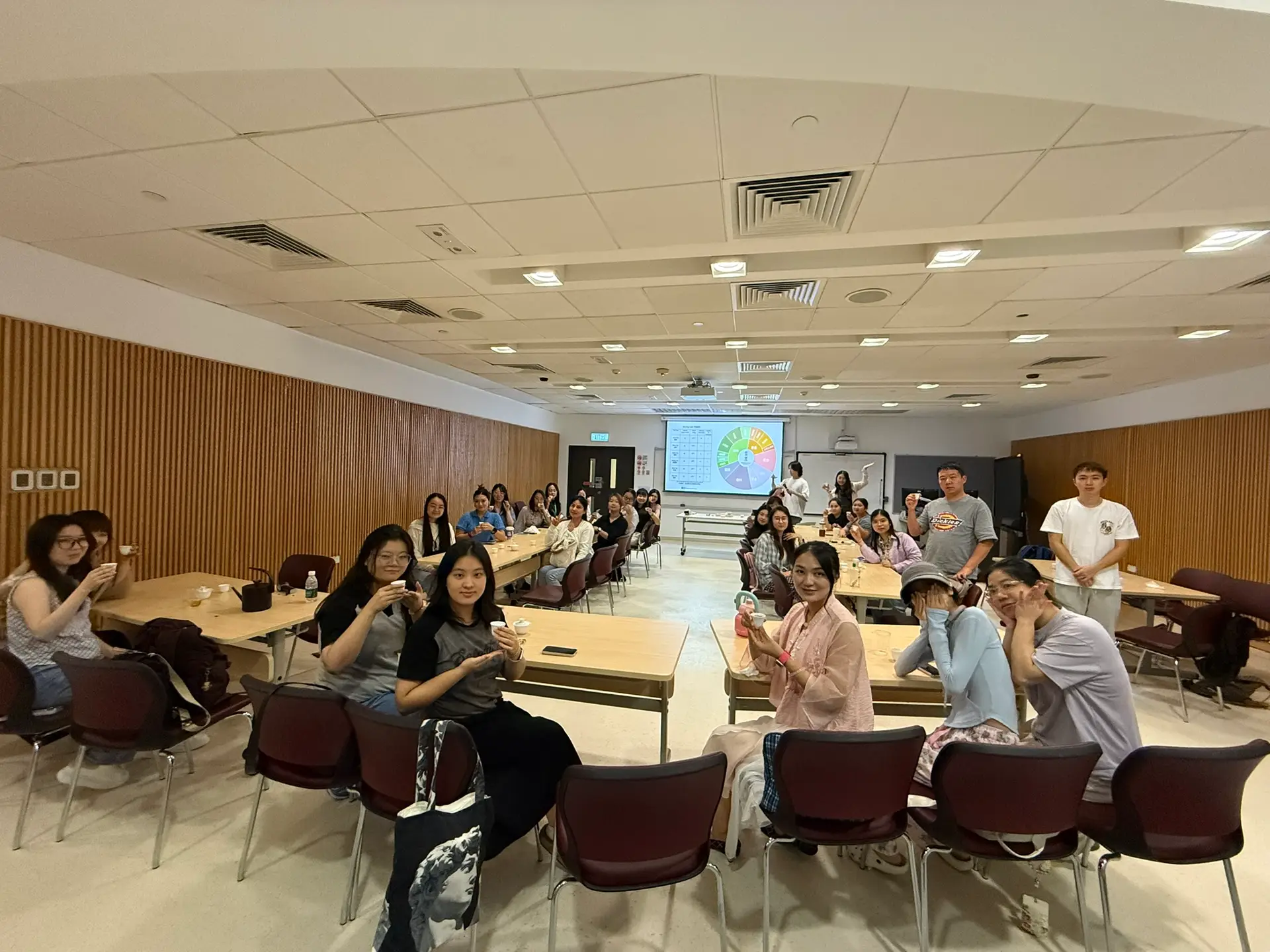
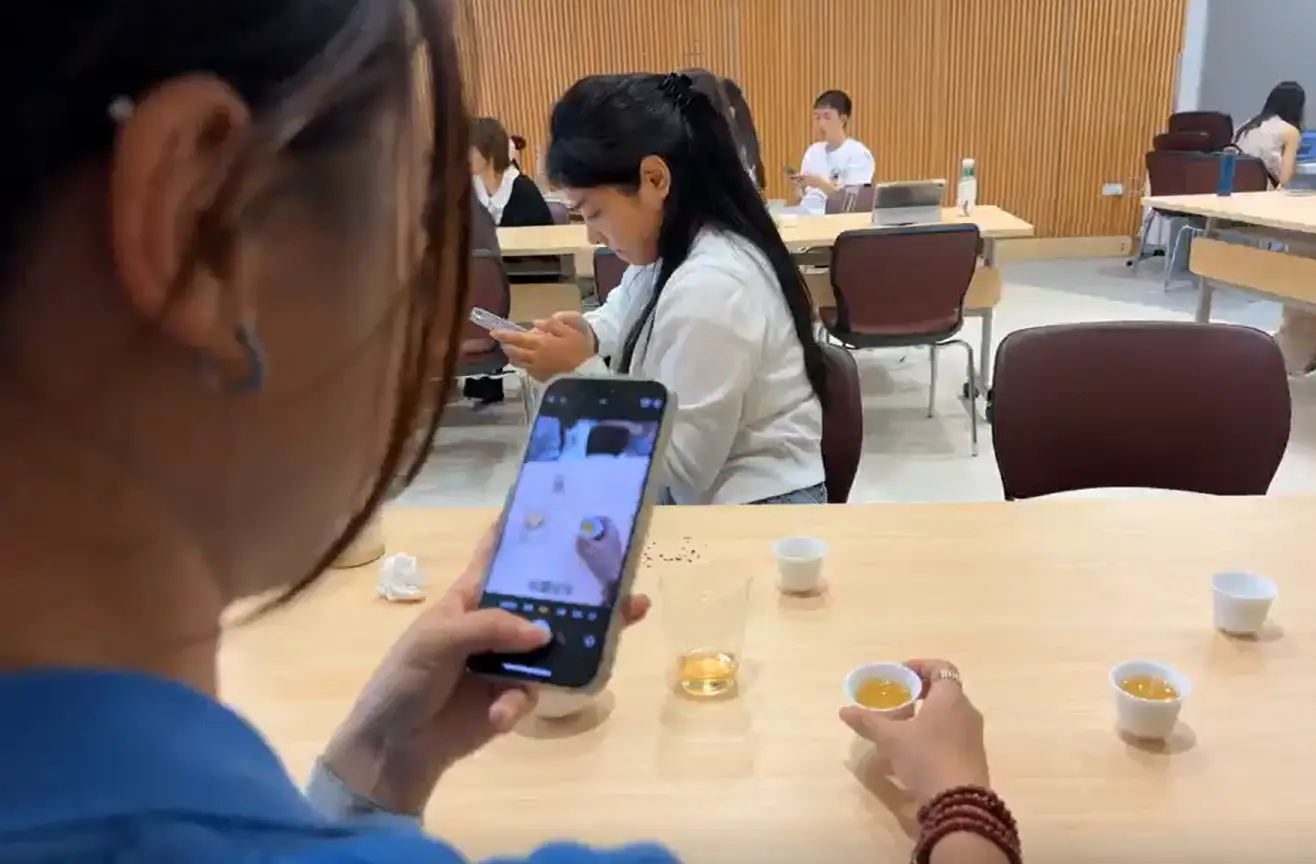
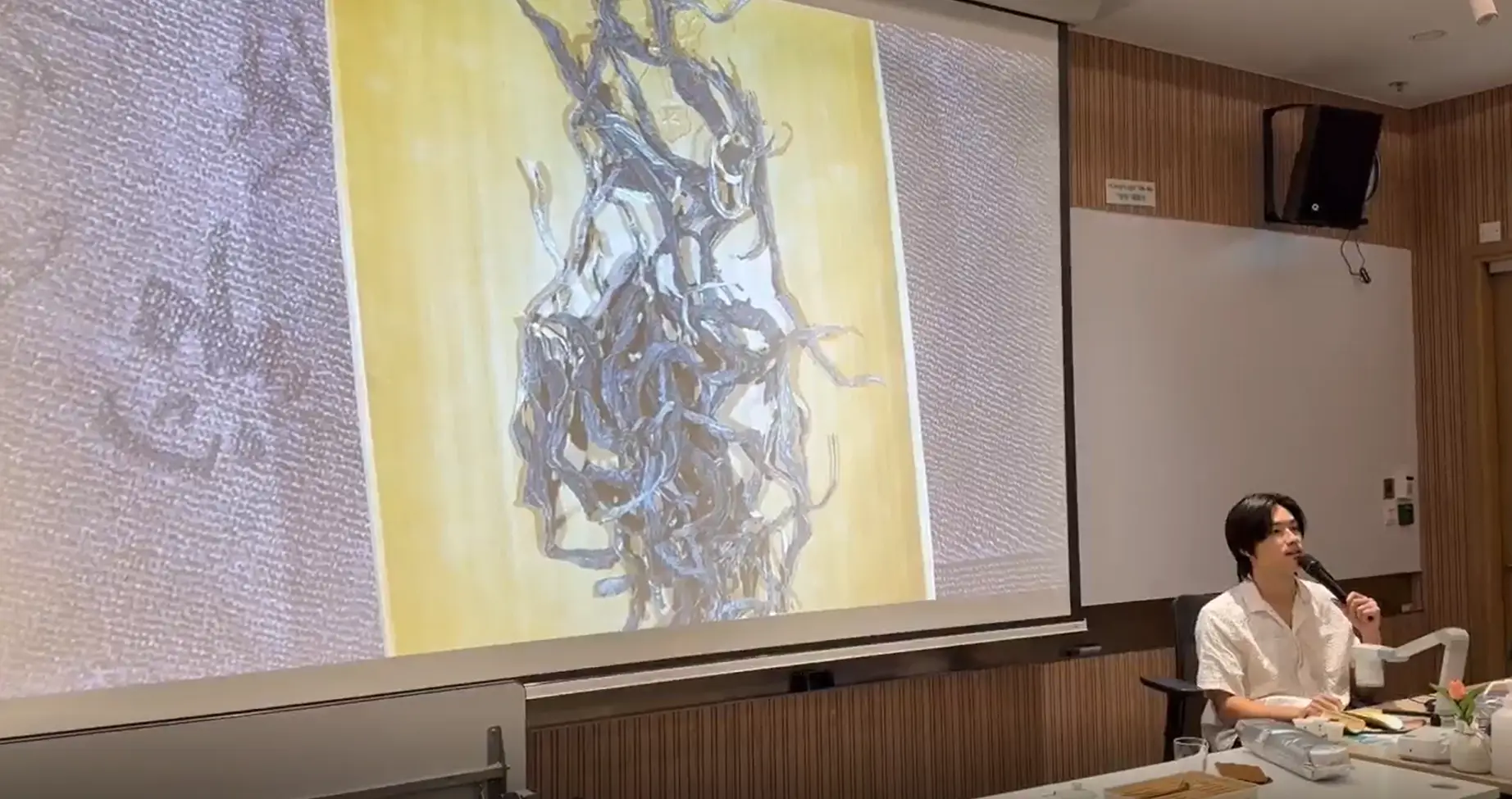
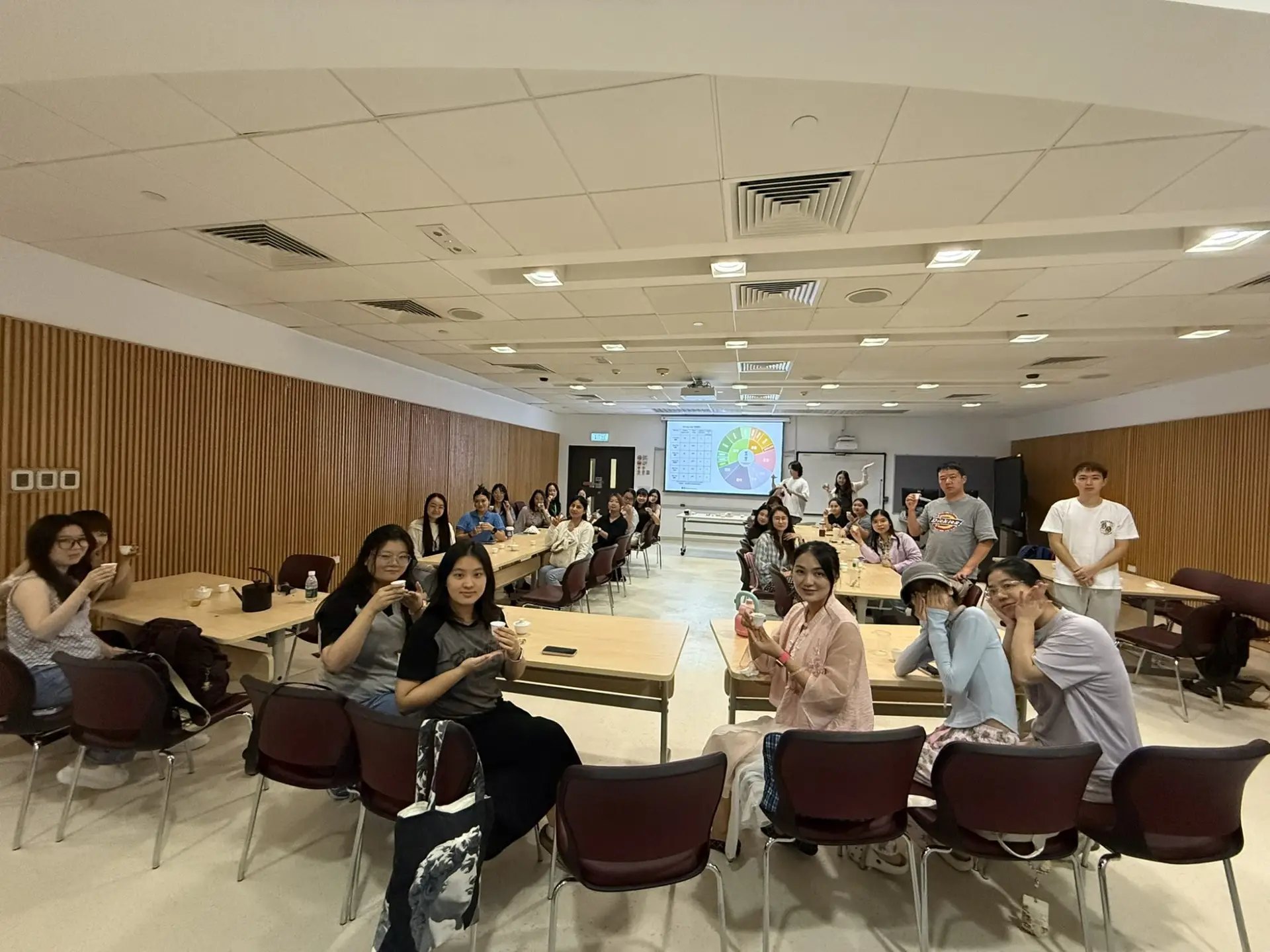
Tea is far more than a beverage; it embodies the depth and spirit of Chinese culture. It also symbolizes a form of leadership education rooted in self-cultivation and service to others。 During the workshop, students sampled green tea, black tea, and oolong tea, learning to use sight, smell, and taste to evaluate and distinguish the flavours of each tea infusion.
The Chinese tea ceremony is guided by the values of “Humility, Harmony, Propriety, and Respect”. Beyond the appreciation of tea, these values embody a philosophy of communication deeply rooted in ancient Chinese wisdom on governance and management. Humility means setting aside one’s ego and listening with openness; harmony is about cultivating a peaceful atmosphere of mutual trust; propriety lies in expressing respect in a fitting manner; and respect is reflected in the sincere recognition of others’ contributions and worth.
Throughout history, wise rulers often demonstrated soft leadership through the ritual of bestowing and sharing tea, using it to build trust and foster consensus. Emperor Renzong of the Northern Song Dynasty, Zhao Zhen, stands as a prime example. As one of the most revered benevolent monarchs in Chinese history, he deeply understood the spirit of humility, harmony, propriety, and respect embodied in the tea ceremony, and wove these values into his governance and his approach to recognizing and appointing talent.
The Song dynasty represented the golden age of Chinese tea culture, and the specially crafted imperial “Dragon and Phoenix Cake Tea” was considered exceptionally precious. After deliberating on state affairs with trusted ministers such as Fan Zhongyan and Ouyang Xiu, Emperor Renzong would often bestow upon them the finest “Small Dragon Cake Tea”. To the scholar-officials of the time, receiving tea from the emperor was an immense honour and a mark of imperial appreciation. Ouyang Xiu once noted in his writings that, over more than two decades of official service, he had been granted such tea only once, making it a gift he treasured deeply.
Emperor Renzong of Song did not depend merely on the severity of imperial authority to sustain the relationship between sovereign and ministers. Rather, through a cup of rare and refined tea, he conveyed his consideration for his officials’ tireless service, his admiration for their abilities, and his deep appreciation of the trust between them.
This reflects the essence of the tea ceremony — humility in one’s dealings with others, harmony in gathering people together, propriety in bringing affairs to completion, and respect in cultivating the heart. It further illustrates the lasting influence of compassionate leadership in fostering trust, unity, and cohesion within a team.
This culture-centred model of gentle leadership serves as a tangible manifestation of Chinese Value-Based Leadership. Within the framework of traditional Chinese philosophy, exemplary leadership does not rely merely on hierarchical power or rigid command. Instead, it draws upon the spirit of virtuous governance and harmonious integration. By bestowing tea and engaging in the shared appreciation of tea, Emperor Renzong of Song softened the distance of imperial authority and transformed it into a form of accessible care. In the imperial court, this helped cultivate a strong sense of psychological safety, allowing ministers such as Bao Zheng to speak frankly and offer remonstrance without fear. Through this trust-based relationship between ruler and ministers, they jointly shaped one of the most flourishing periods of the Northern Song dynasty. For contemporary managers, this provides a meaningful lesson: true influence arises from respect for people, supported by deep cultural literacy. By studying the harmony and respect embedded in the tea ceremony, students can better understand how the traditional wisdom of treating others with courtesy and uniting teams through harmony may be transformed into modern managerial capabilities such as active listening and approachability, thereby establishing a solid foundation of trust within a team.
(As the content involves concepts rooted in Chinese culture, some cultural meanings and finer details may not be fully reflected in translation. For a more comprehensive understanding, please refer to the Chinese version. )