Tea Ceremony x Calligraphy Workshop
Event Date: 28 October 2025
Event Location: The Education University of Hong Kong (Tai Po Campus)
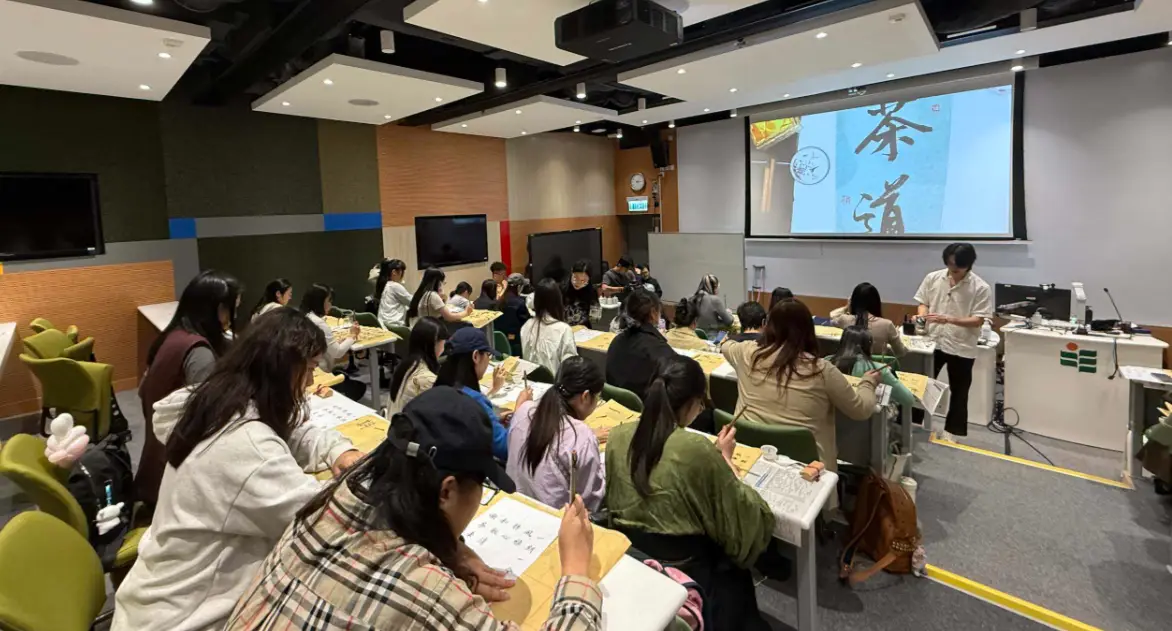
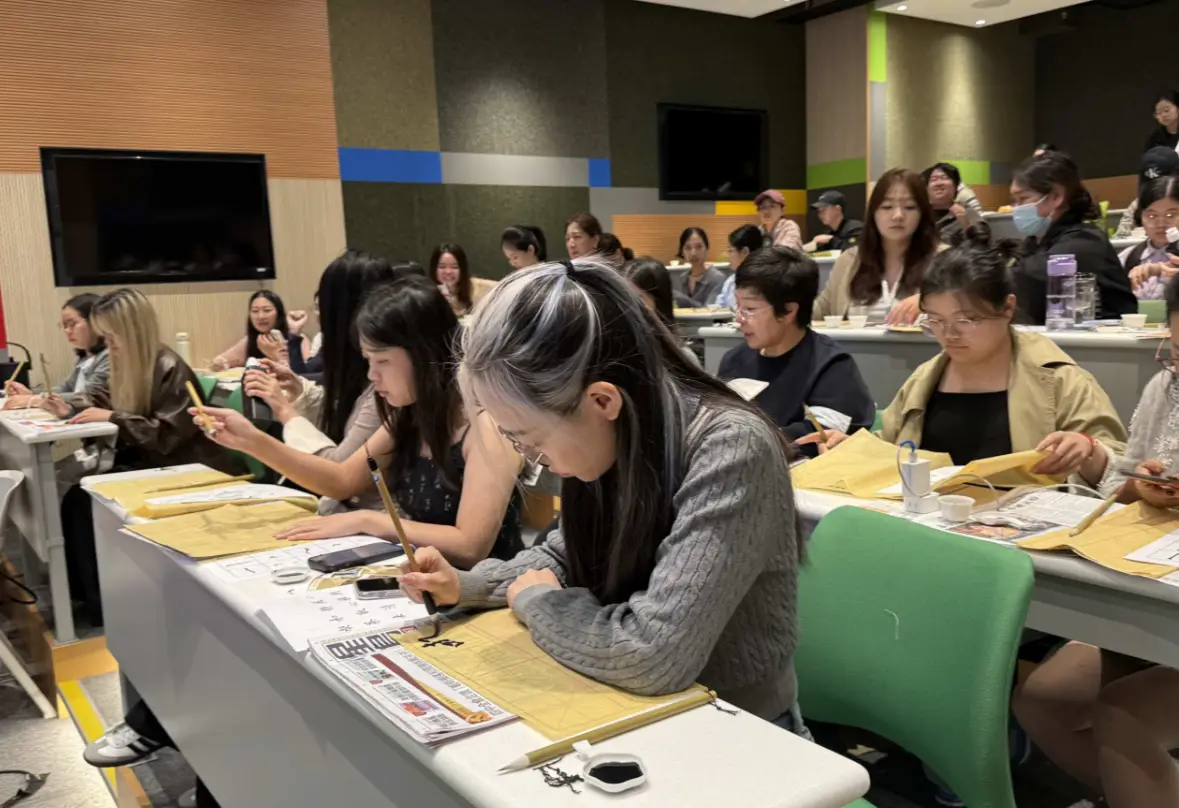
The Tea Ceremony and Chinese Calligraphy Workshop brings together the serenity of tea culture and the rhythmic elegance of calligraphy, leading students to explore the profound spiritual dimensions of Eastern aesthetics.
In Chinese history, calligraphy was never regarded simply as the act of writing characters. It was an essential means by which officials, scholars, and leaders cultivated themselves, refined their moral character, and disciplined the mind. Through the practice of calligraphy, generations of administrators and literati developed focus, composure, and the ability to view matters with breadth and perspective.
During the Tang dynasty, Emperor Taizong, Li Shimin, greatly admired the calligraphy of Wang Xizhi and personally composed the commentary for The Biography of Wang Xizhi in the Book of Jin. He upheld the principle that “an upright mind gives rise to an upright brush,” viewing the movement of the brush as a reflection of governing the state. Mastering the brush requires exceptional patience, composure, and foresight; the slightest lapse in attention may cause the stroke to lose balance and direction. By requiring court officials to study calligraphy, Emperor Taizong sought to train administrators to cultivate stillness amid movement. Through powerful and well-structured brushstrokes, they were encouraged to develop a leadership style marked by decisiveness, integrity, and discipline.
This workshop invites students to experience the art of brushwork alongside the appreciation of tea. Through the rhythm of writing, the lifting and pressing of the brush, the alternation between swift and deliberate strokes, students are guided to calm the mind amid the pressures of intensive learning and decision-making.
Through this practice, they develop the qualities of resilience, concentration, and self-awareness essential to effective leadership.
(As the content involves concepts rooted in Chinese culture, some cultural meanings and finer details may not be fully reflected in translation. For a more comprehensive understanding, please refer to the Chinese version. )