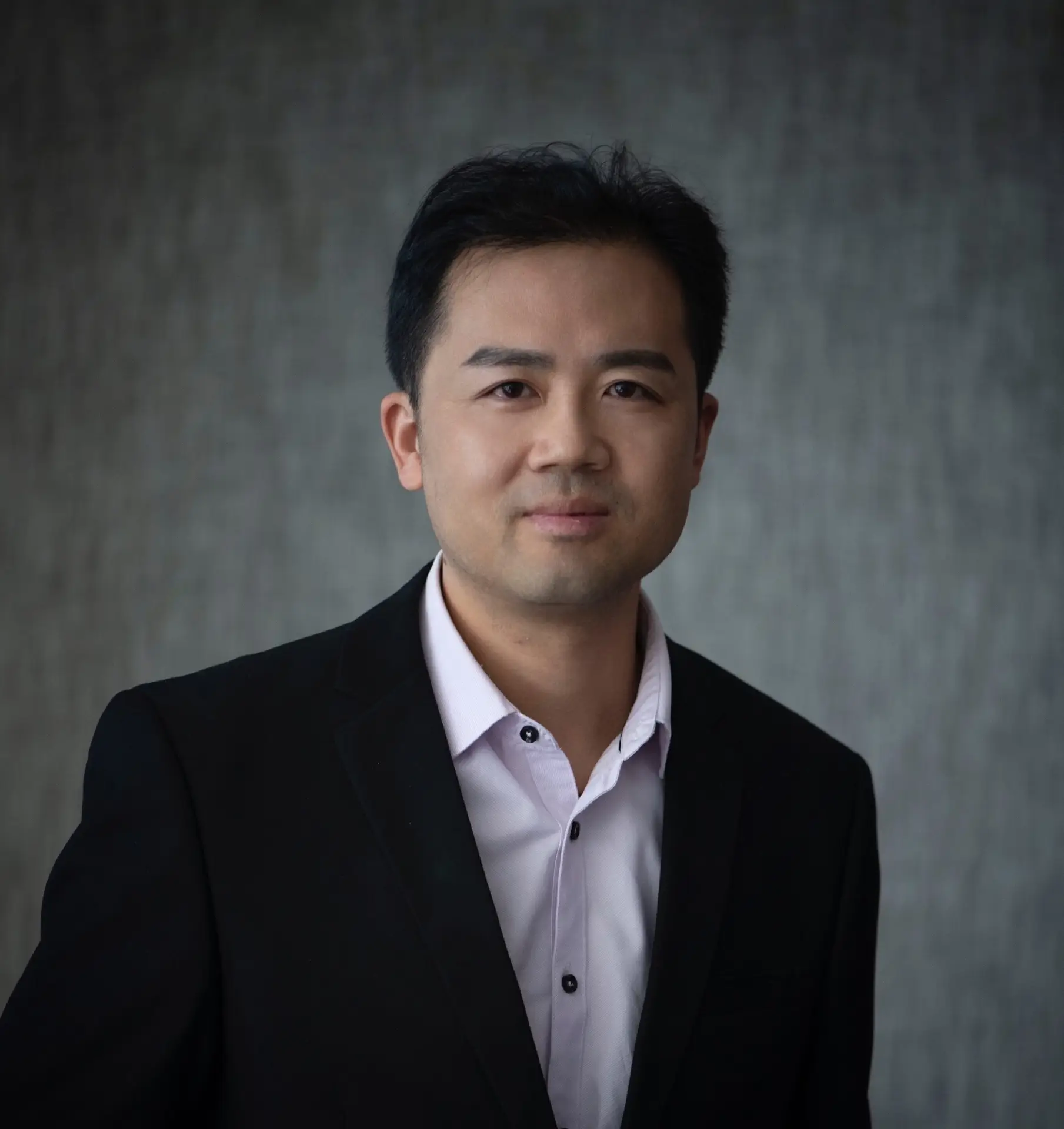
Student Sharing - TAO HUI
Having worked in educational administration and management for many years, I have accumulated practical experience, but I have also gradually come to realise that experience alone is not enough to answer the new questions that continue to emerge in educational management. With a desire to reflect on my own knowledge structure and ways of thinking, I chose to pursue the Master of Arts in Chinese Values-Based Leadership Education (MA(CVBLE)). I hoped to step temporarily outside my familiar working environment and re-examine the work I had long been engaged in through the lenses of educational leadership, values education, and different cultural perspectives.
During this year of study, the “Tea Ceremony × Leadership” course left a particularly deep impression on me. In the past, my understanding of tea remained largely at the level of daily life. However, through the course and my exposure to national-level tea assessment training, I began to realise that tea embodies not only skills and culture, but also a way of understanding order, standards, discernment, and respect for others.
Tea assessment, in particular, allowed me to rethink the meaning of “professionalism”. When evaluating a cup of tea, one cannot simply rely on personal preference to make a judgement. Instead, one must remain patient, focused, and relatively objective, developing a more accurate understanding through continuous learning and comparison. This process also reminded me of educational management. Very often, what we face is not a simple matter of right or wrong, but different people, different contexts, and different needs. A manager needs standards, but also understanding; one must make judgements, while also knowing how to exercise discernment and restraint.
The idea of li, or ritual propriety, in tea culture has also given me a new understanding of leadership. True leadership does not always mean standing at the front and expressing oneself. Sometimes, what matters more is learning to listen, observe, and respect differences. In the exchange of a cup of tea, relationships between people are not built through volume or force, but are gradually formed through details, boundaries, and mutual respect. This insight has led me to re-examine the administrative management approaches with which I had previously been familiar.
Looking back on this year of learning, both the calm reflection brought by tea culture and the rigour and inquiry cultivated through academic study have helped me reinterpret li in educational management. It is not merely an external norm, but an attitude of respect towards people, knowledge, and professional practice. Guided by the belief that “those who act with purpose will accomplish, and those who keep moving will arrive”, I hope to continue grounding myself in the field of education. While fulfilling my professional responsibilities, I will maintain a spirit of learning and research, gradually bringing the focus, discernment, respect, and reflection I have gained this year back into real educational practice.