Tea Assessor Certification Preparatory Course
Event Date: 26 March 2026, 9 April 2026, 16 April 2026, 23 April 2026
Event Location: Room 621, 6/F, Sunbeam Centre, 2 Lei Yue Mun Road, Kwun Tong, Kowloon, Hong Kong
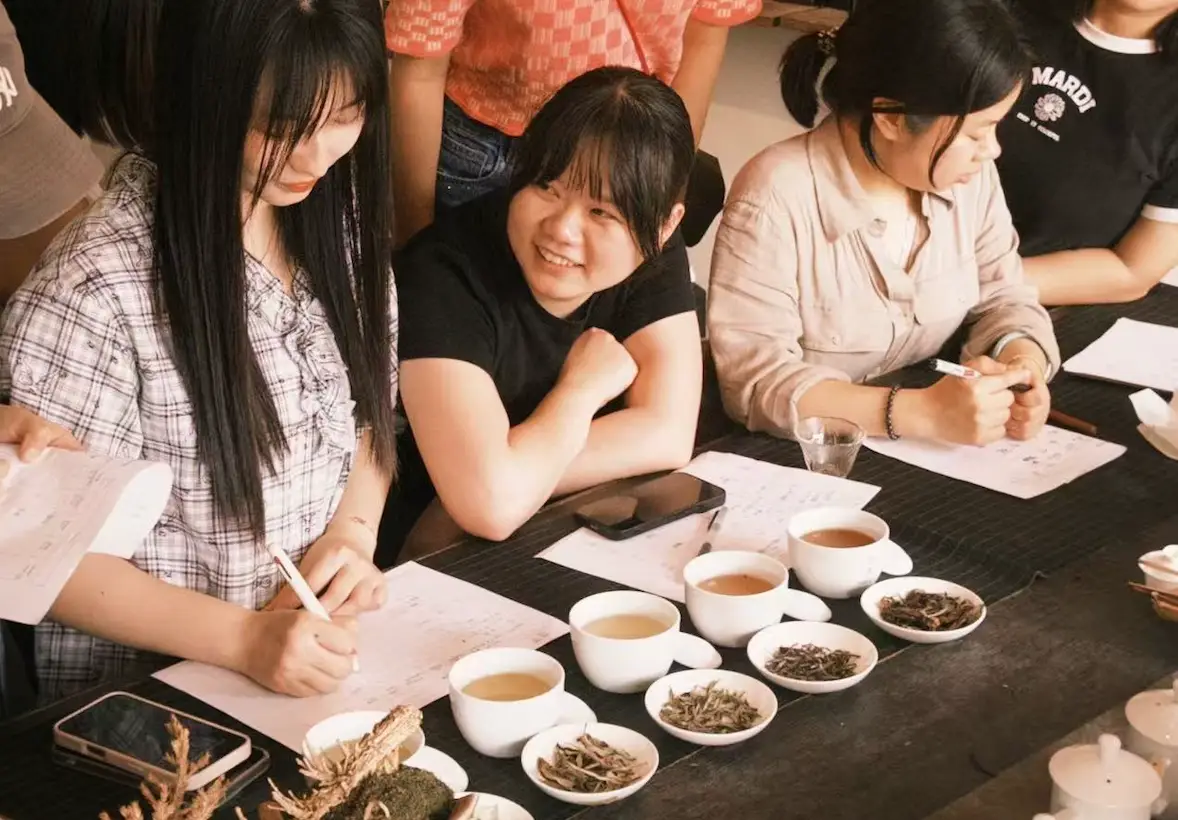
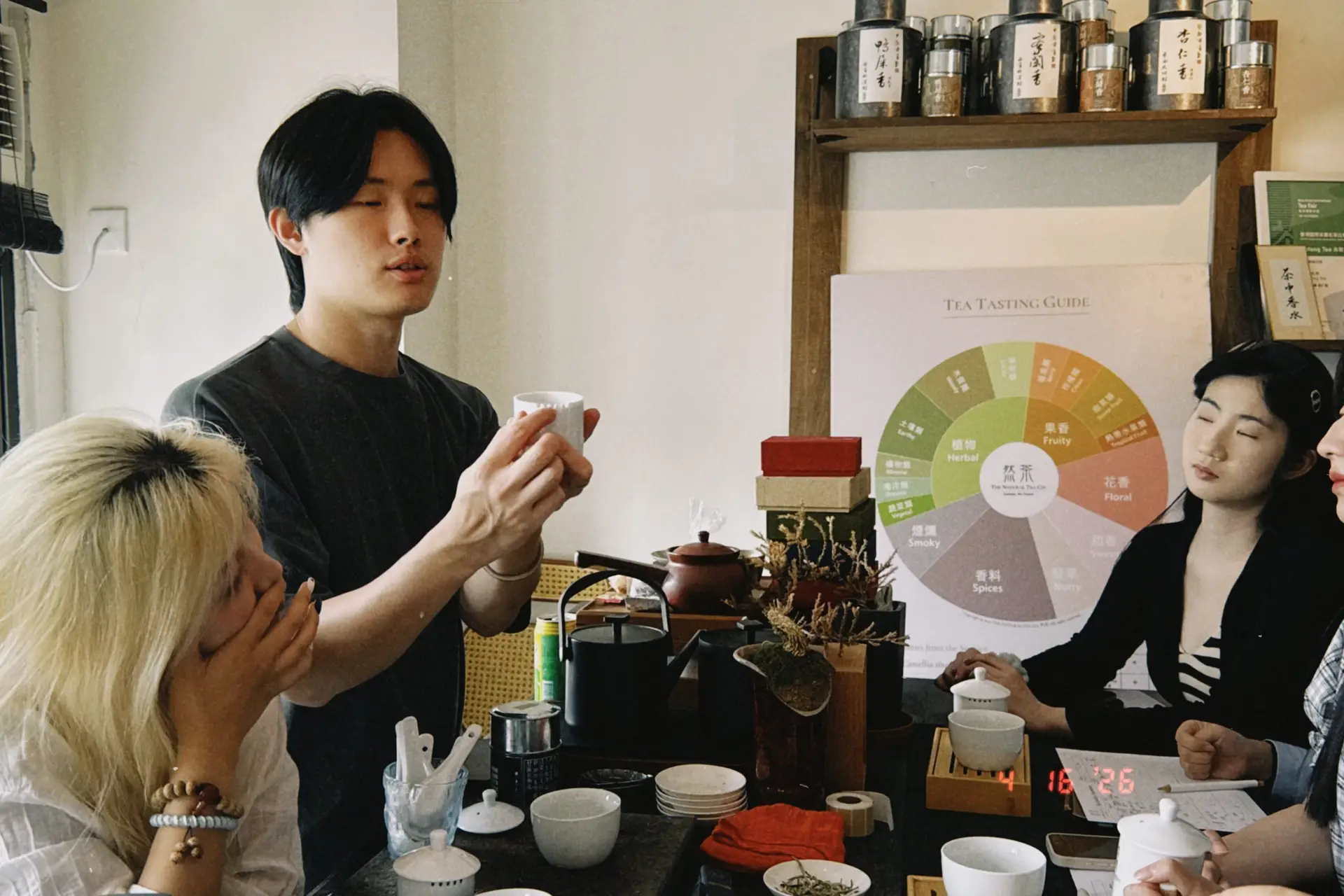
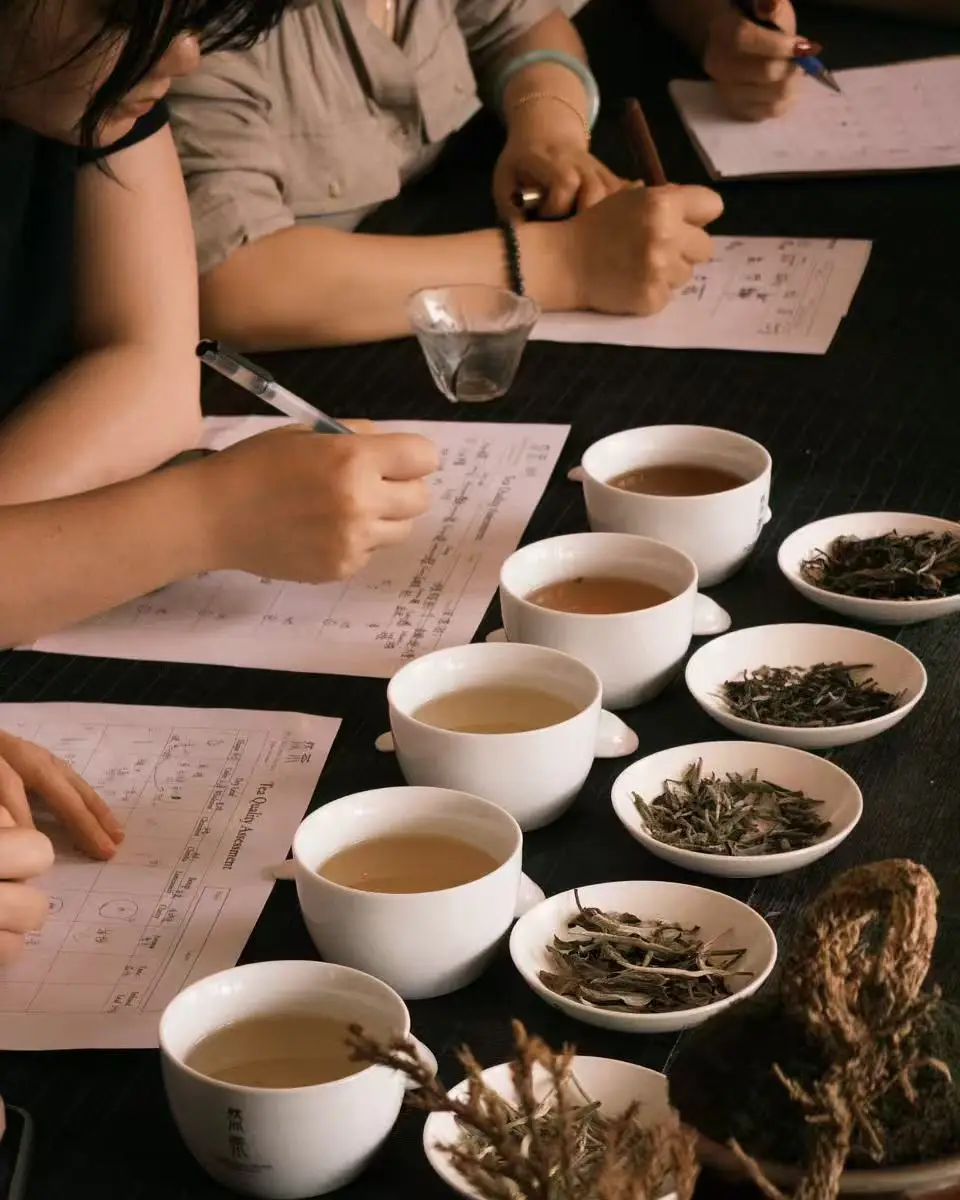
The Tea Assessor Certification Preparatory Course is a professional training programme that converts sensory perception into objective evaluation. In a standardised laboratory environment, students learn the processing techniques of the six major types of Chinese tea and apply recognised tea assessment methods to examine the flavour and quality of tea infusions. Tea assessment is not a matter of personal preference; it is a rigorous process of sensory evaluation, quality control, and evidence-based analysis.
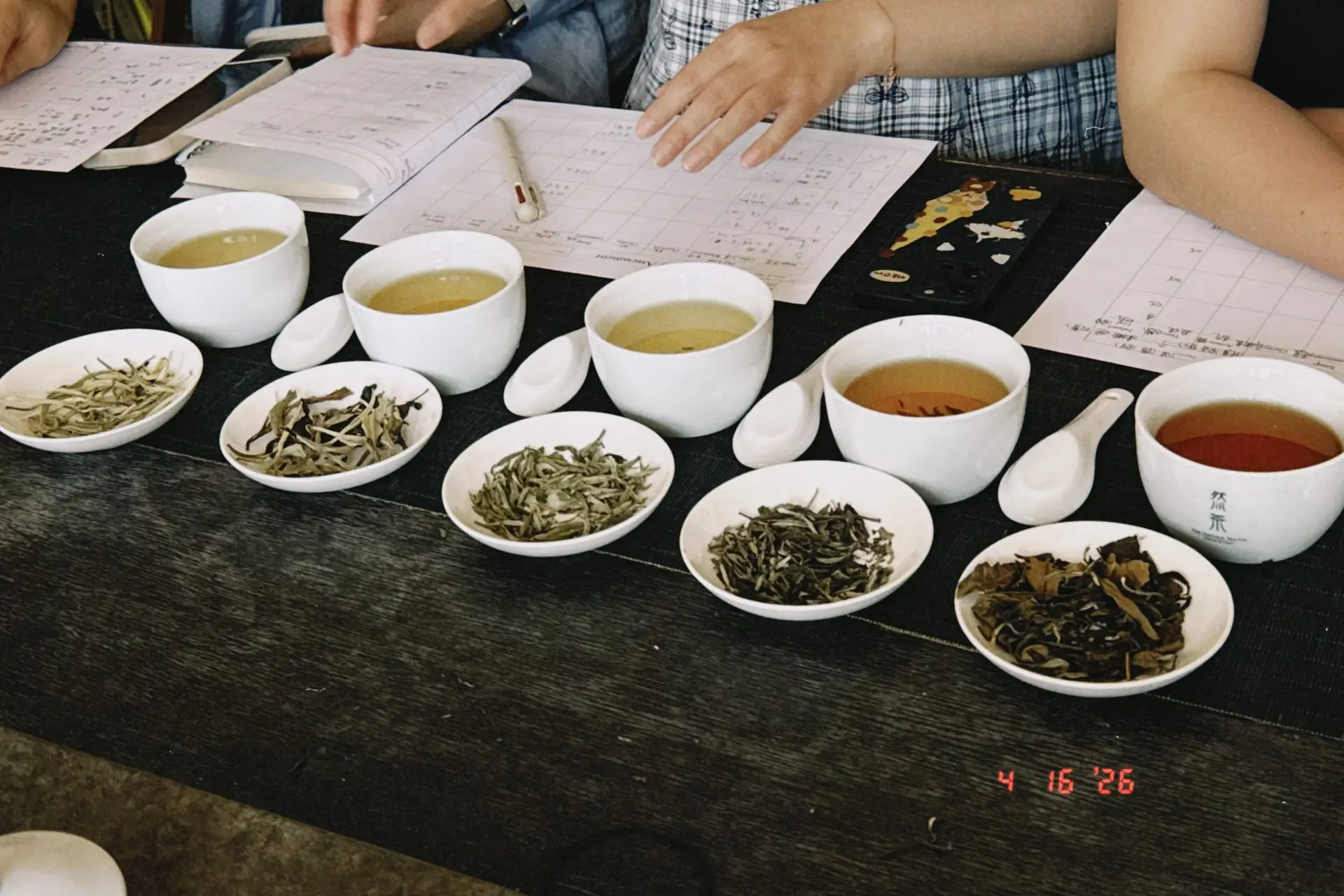
During practical training, students assess the dry leaf appearance, liquor colour, aroma, taste, and infused leaves of tea samples under strictly controlled parameters, including brewing time, water temperature, and tea-to-water ratio. They are trained to detect defects accurately, such as grassy notes caused by inadequate fixation or burnt bitterness resulting from over-roasting. At the same time, students acquire a foundational understanding of flavour chemistry, learning how tea polyphenols contribute to bitterness and astringency, amino acids produce freshness and umami, and the balance of caffeine and aromatic compounds shapes the overall sensory experience. This enables students to appreciate the decisive impact of processing techniques on tea quality.
The discipline required in professional tea assessment closely corresponds to the logic of Chinese values-based leadership and modern management. First, it trains students to overcome personal bias and make objective judgements. A professional tea assessor must assess according to established standards rather than personal taste. Even when a particular flavour is not personally preferred, the assessor must determine whether it reflects a defect or a legitimate varietal characteristic. This is directly relevant to leadership: effective managers must evaluate people, situations, and decisions based on facts, criteria, and evidence rather than subjective preference.
Second, tea assessment develops sharp quality control and risk detection capabilities. Assessors must identify subtle off-flavours, such as mouldy, smoky, or burnt notes, and trace them to possible flaws in the production process. This capacity to notice small signs and infer underlying causes strengthens managerial sensitivity, enabling leaders to detect potential risks, process weaknesses, and quality issues before they escalate.
Finally, the certification training emphasises procedural accuracy, standardisation, and reproducibility. These qualities help students develop systematic thinking and disciplined execution. Leadership requires more than cultural appreciation and moral aspiration; it also demands rigorous processes, analytical clarity, and the ability to implement standards consistently. Tea assessment offers a meaningful training ground for cultivating these capabilities.
By integrating rational analysis with refined sensory awareness, this course helps students develop a structured decision-making framework. In the process of learning and preserving tea culture, they also acquire quality control competence, risk awareness, and evidence-based judgement — essential attributes of modern leadership.
This semester, the programme sponsored eight outstanding students to participate in related tea training, supporting their preparation for the National Tea Assessor Qualification Examination. These students will soon take the examination, further strengthening their professional capabilities in tea practice and tea assessment.
(As the content involves concepts rooted in Chinese culture, some cultural meanings and finer details may not be fully reflected in translation. For a more comprehensive understanding, please refer to the Chinese version. )