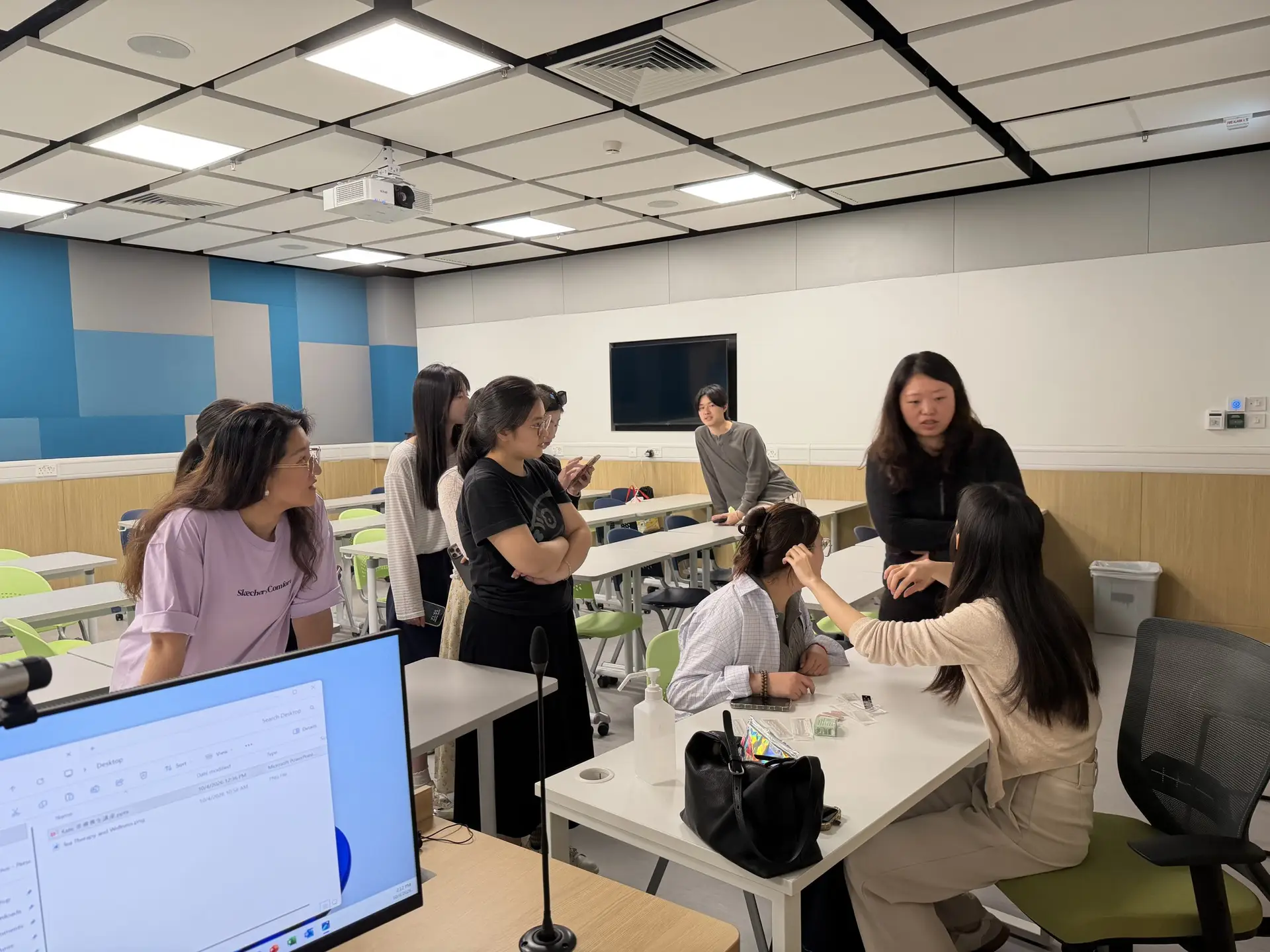
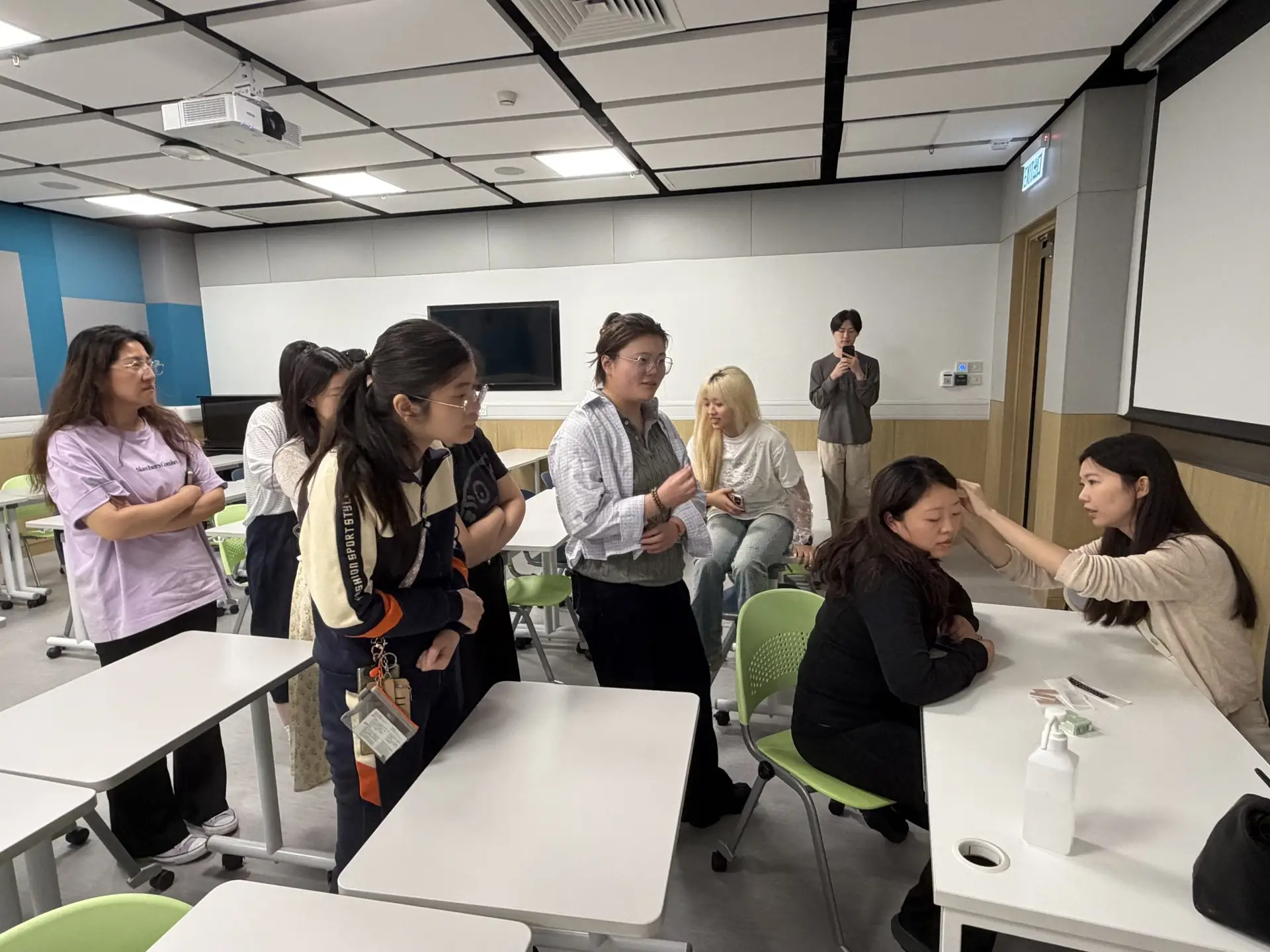
Expert Lecture — Tea Therapy and Wellness
Event Date: 10 April 2026
Event Location: The Education University of Hong Kong (Tai Po Campus)
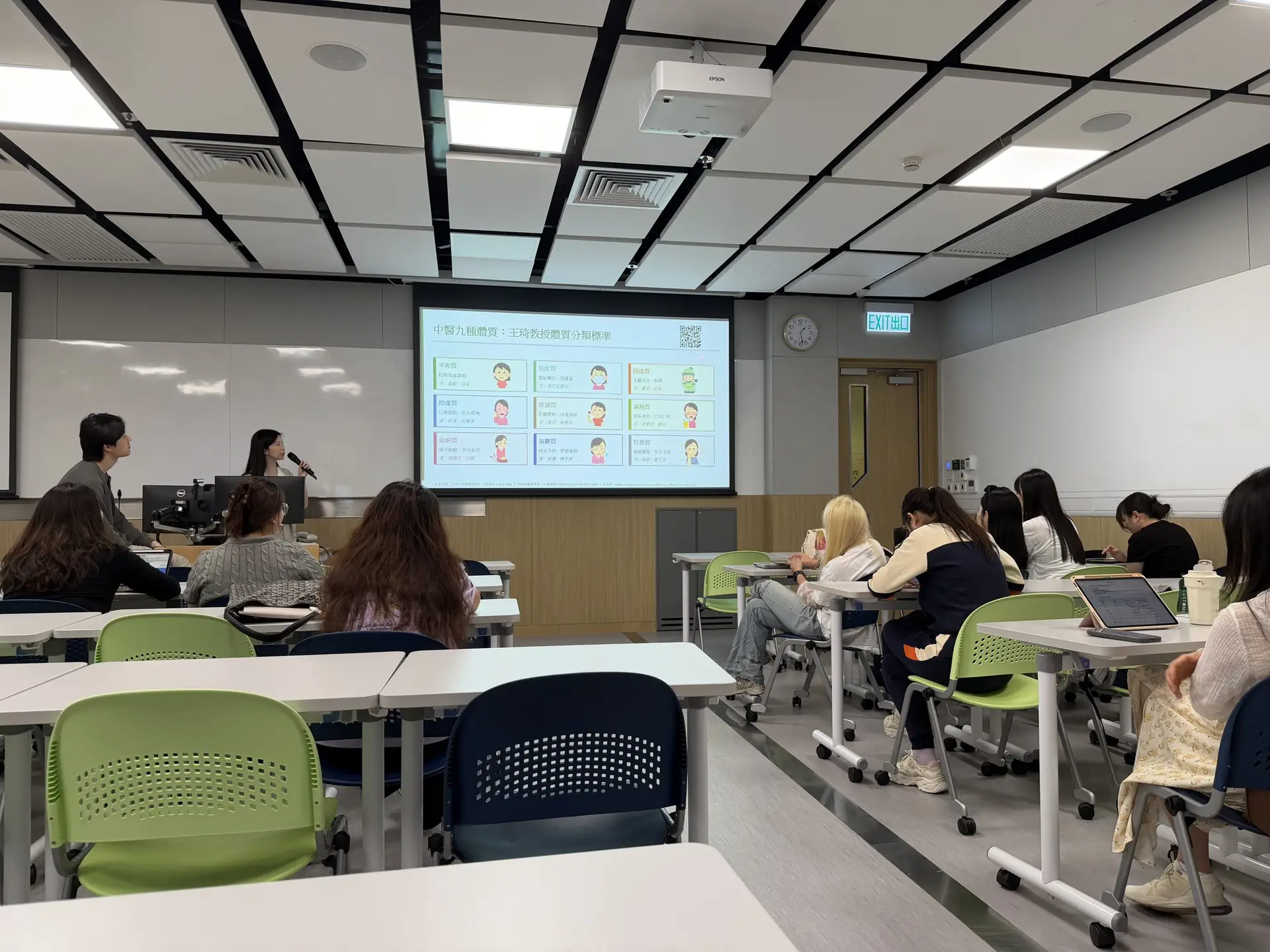
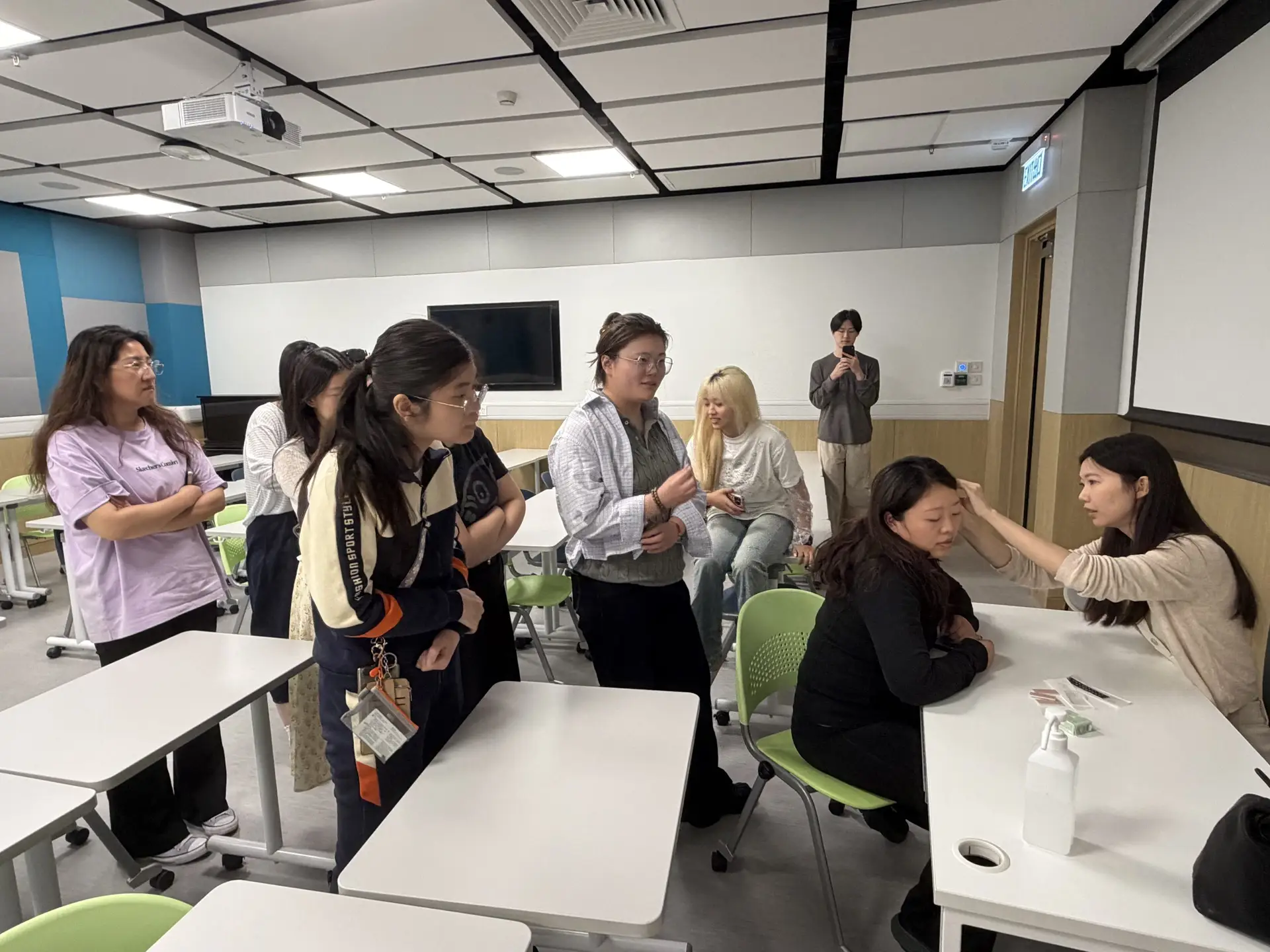
In competitive workplaces and academic settings, leaders are often exposed to prolonged stress, which may lead to sub-health conditions such as anxiety, insomnia, and digestive discomfort. Led by a registered Chinese medicine practitioner, this lecture introduces the principles of Traditional Chinese Medicine and explores how tea therapy can support the management of physical and emotional wellbeing.
Tea therapy is not simply about drinking tea. It applies the Chinese medicine principles of pattern differentiation, individualized treatment, and yin-yang harmony to the careful selection and pairing of tea leaves and herbal ingredients. Under prolonged stress, many modern individuals may experience patterns such as liver qi stagnation, associated with anxiety and irritability, or spleen and stomach weakness, associated with digestive discomfort.
The lecture introduces tea therapy approaches for different conditions. For stress relief and emotional regulation, combinations such as aged tangerine peel, rose, and pu’er tea, or chrysanthemum, mint, and green tea, may help soothe liver qi stagnation and ease tension. For sleep difficulties, gentler options such as suanzaoren, poria, and barley tea, as well as aged white tea and ripe pu’er tea, may be considered. Ripe pu’er is mild and less irritating to the stomach after fermentation, while suanzaoren is traditionally used to nourish the heart and calm the spirit, supporting relaxation and more restful sleep.
Through this lecture, students will gain a deeper understanding of how traditional tea therapy can be applied as a practical and culturally grounded approach to restoring balance, resilience, and wellbeing in modern leadership life.
(As the content involves concepts rooted in Chinese culture, some cultural meanings and finer details may not be fully reflected in translation. For a more comprehensive understanding, please refer to the Chinese version. )