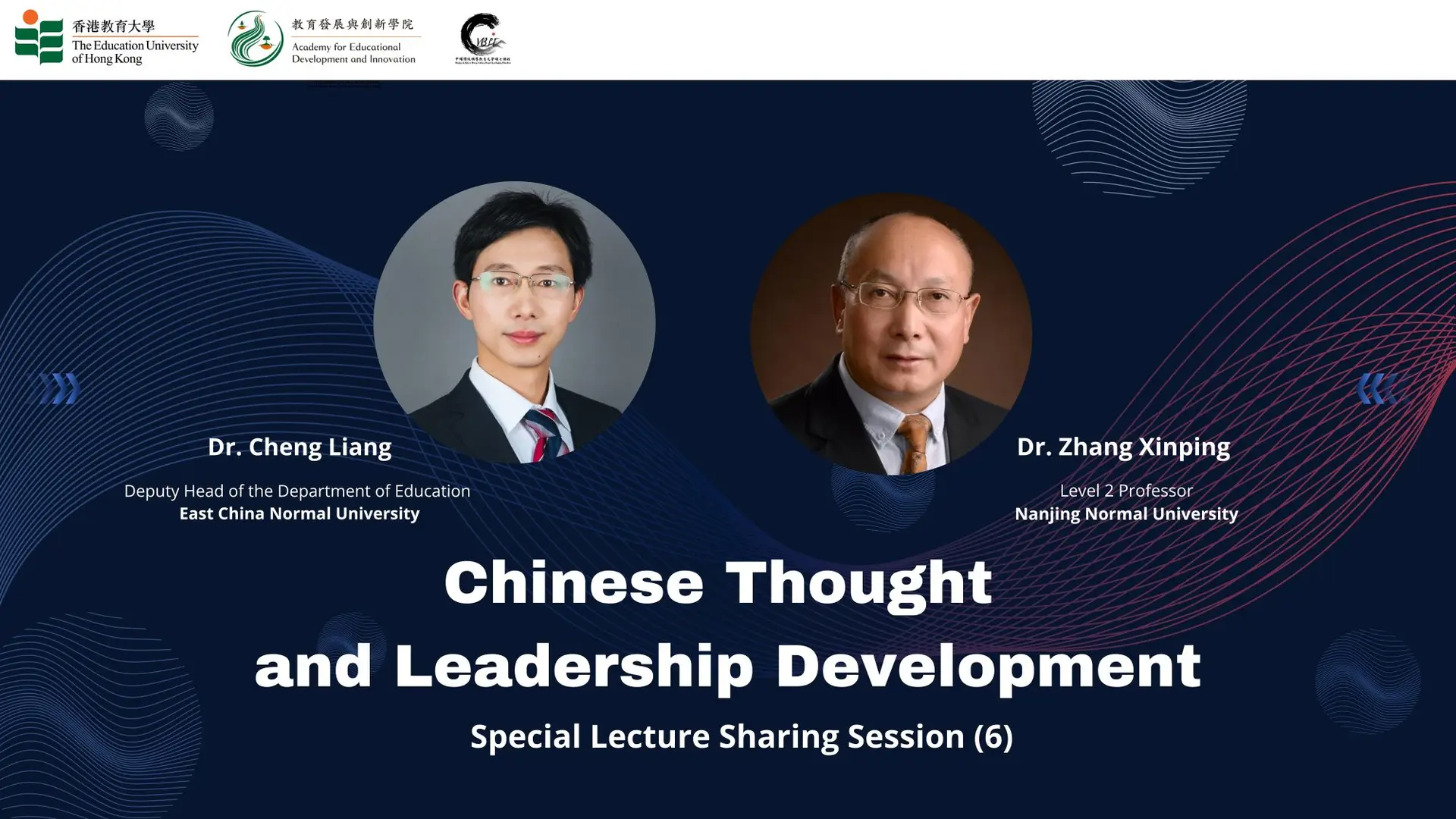
Chinese traditional culture has a long and profound history, and the systems of thought it contains continue to influence the management and development of modern education. To guide students in drawing upon Eastern wisdom and exploring pathways for modern educational management, the lecture invited Professor Cheng Liang, Deputy Head of the Department of Education at East China Normal University, and Professor Zhang Xinping, Director of the Institute of Educational Leadership and Management at Nanjing Normal University, to engage in in-depth academic exchange with students on topics related to educational philosophy and management on 27 March 2026.
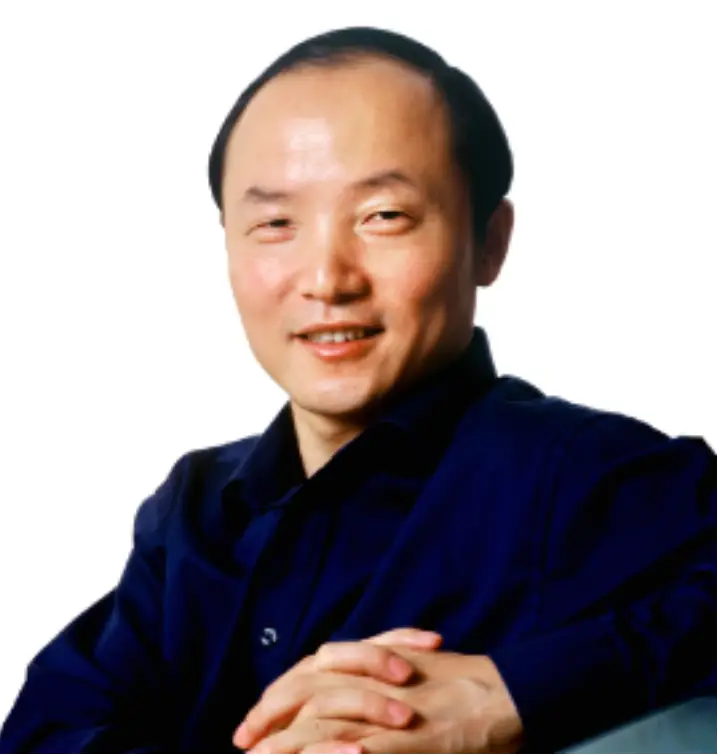
Professor Cheng Liang, who also serves as Vice Chair of the Educational Theory Branch of the Chinese Society of Education, first offered an in-depth analysis of moral leadership pathways in the contemporary Chinese context. Master’s students studying educational management, or preparing to take up school leadership roles in the future, often face practical challenges such as how to implement moral education in complex social contexts and how to balance policy requirements with cultural traditions. In response, Professor Cheng proposed three basic orientations: “governing education/schools with virtue”, “governing education/schools according to virtue”, and “governing education/schools for virtue”. He further explained the meanings and limitations of each orientation. This helped students clarify entry points for integrating theory and practice, while guiding them to reflect deeply on the practical possibilities of moral leadership within Chinese social and cultural contexts.
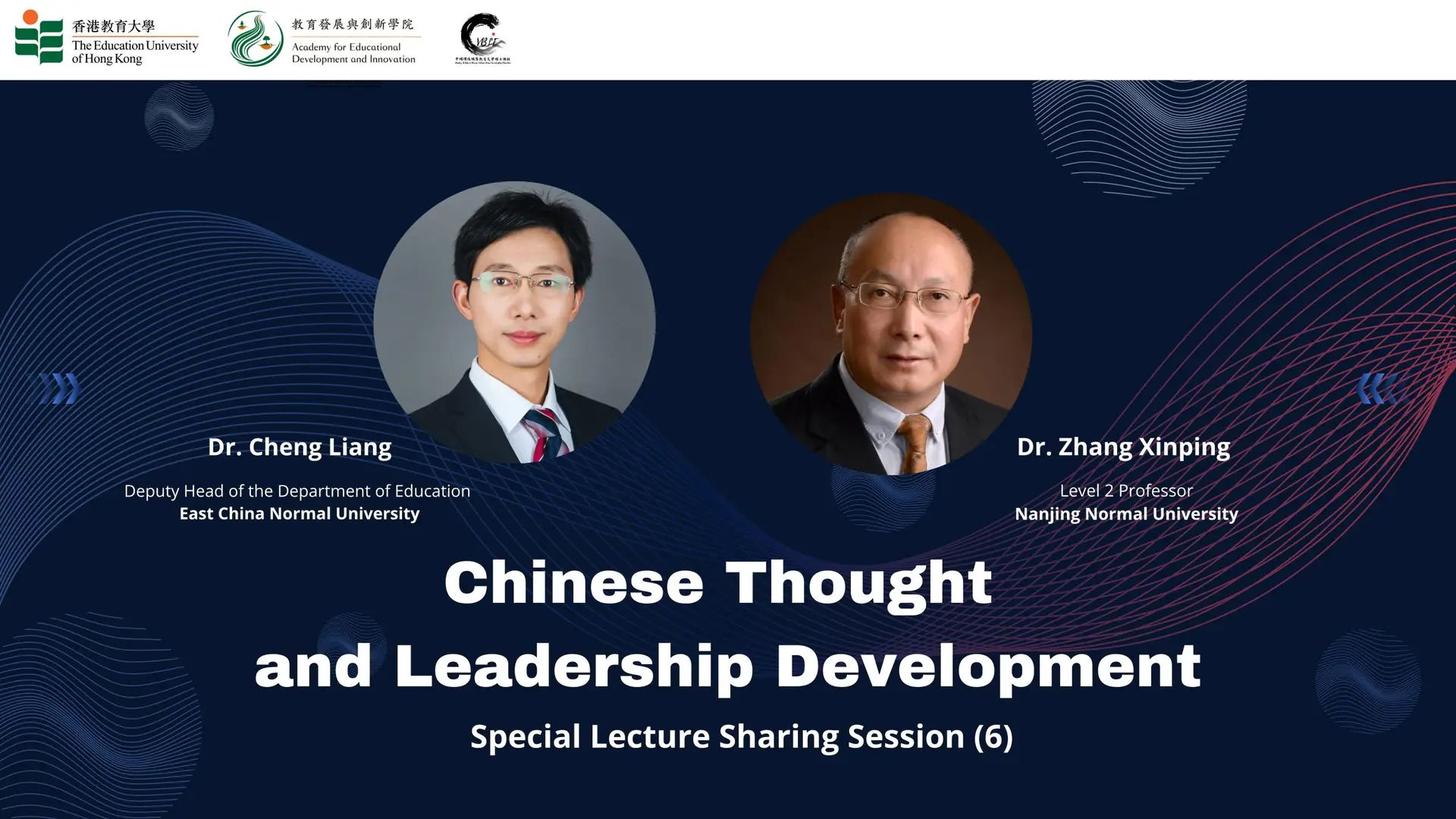
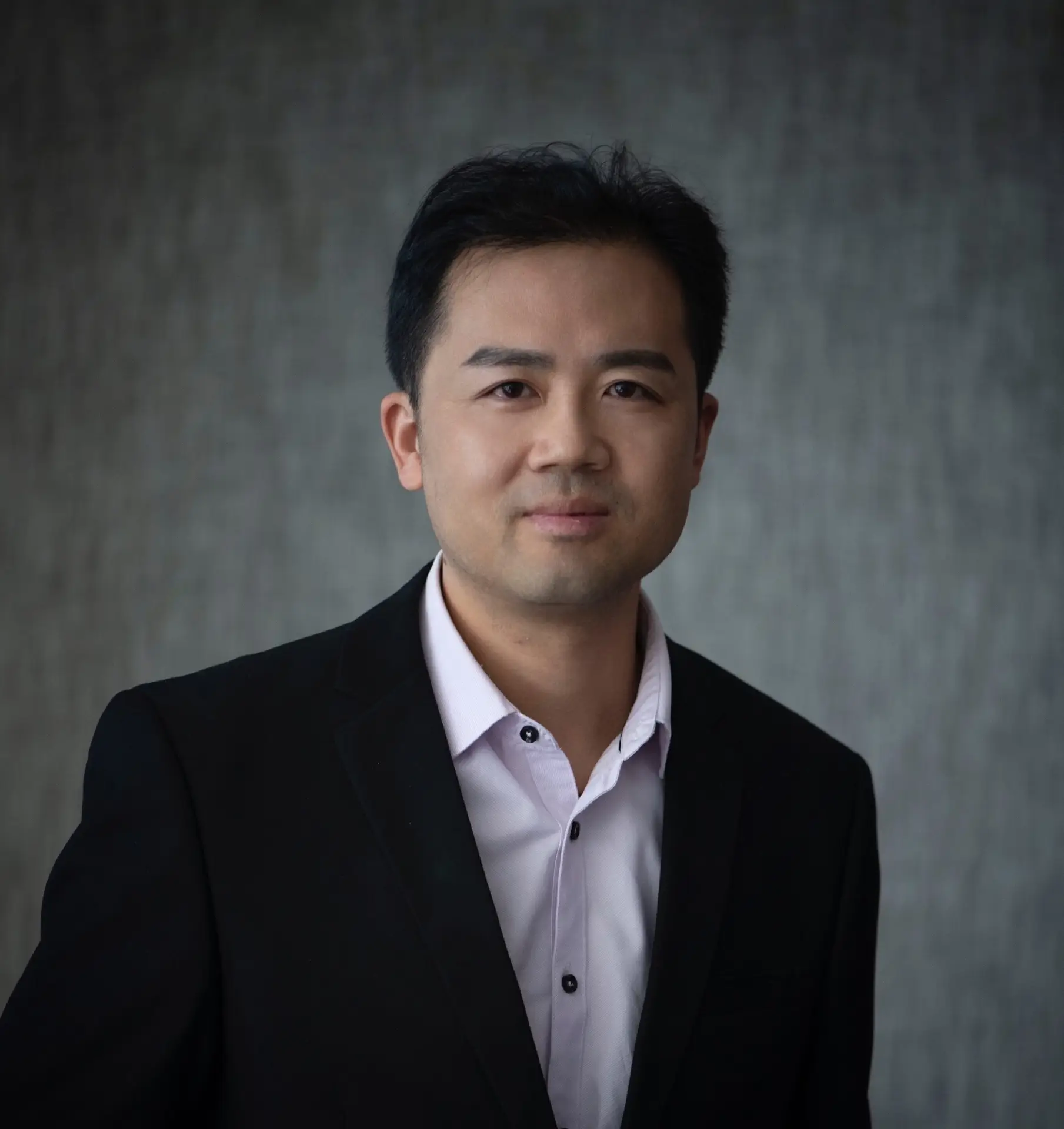
In an era of profound social transformation shaped by globalisation and technologies such as artificial intelligence (AI), Professor Zhang Xinping responded to contemporary students’ anxieties about future wisdom for survival and academic inquiry amid rapid change and technological disruption. From the distinctive perspective of leadership studies, Professor Zhang guided students in revisiting the Chinese leadership paradigms of “joy in goodness” and “leading by example” established by Confucius. He also vividly explained how later thinkers, including Zengzi, Zisi, Mencius, and Mozi, inherited, developed, and even critically innovated upon Confucian thought. The sharing led students into the intellectual journeys of ancient sages as they confronted historical change, enabling them to further appreciate the teacher-student relationship and research approaches embedded in traditional culture.
This lecture integrated educational leadership theory with Eastern wisdom, aiming to provide students with more diverse perspectives for their academic research and future management pathways. It also helped ease their uncertainty and anxiety in the face of rapid technological change. Through this activity, students were encouraged to gradually develop educational thinking rooted in local culture, while cultivating confidence in practical planning and long-term developmental awareness when facing future career challenges and transformations of the times.